The Real Cost to Build a Home in Texas (2026 Numbers)
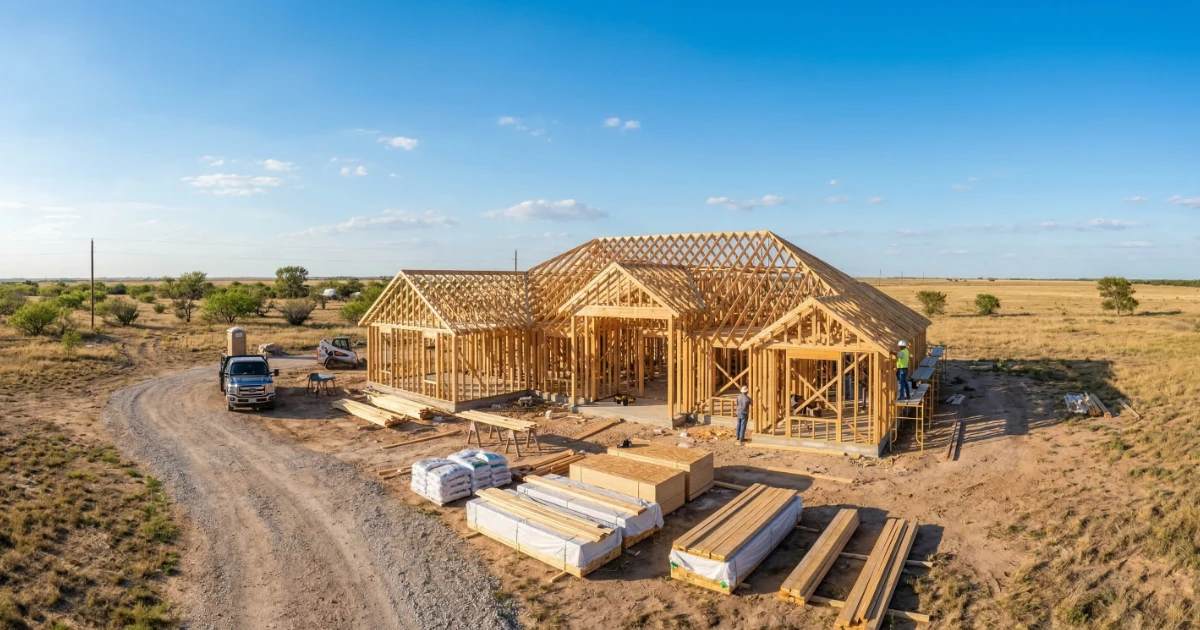
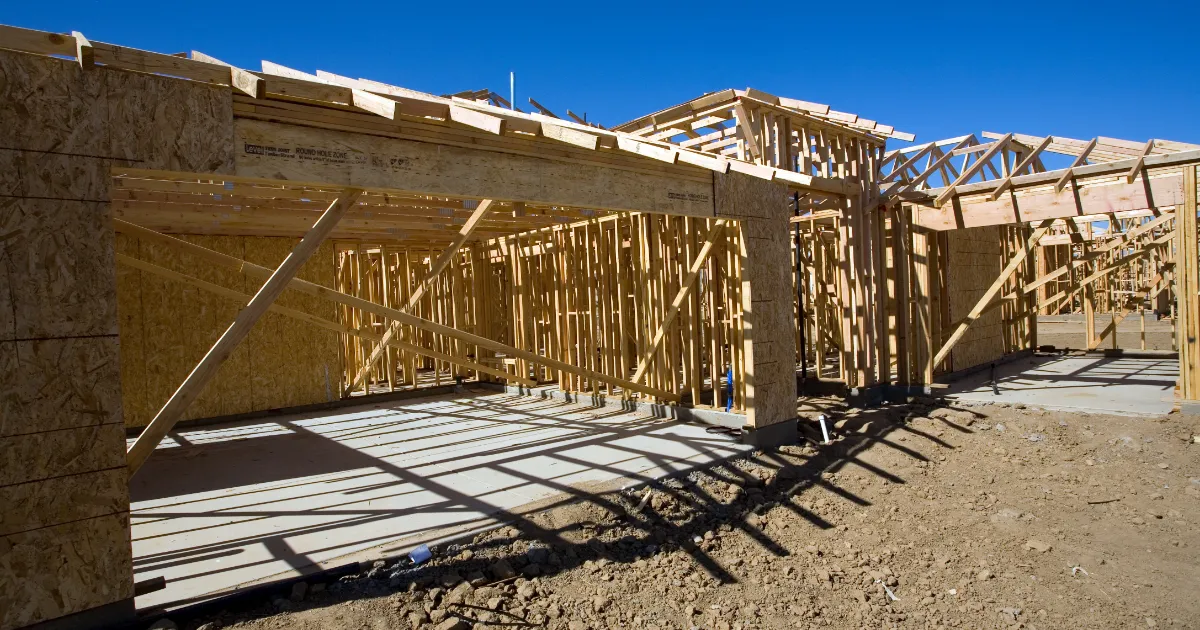
Everyone who starts researching the cost to build a home in Texas gets the same useless answer: "$100 to $200 per square foot."
That range is so wide it means nothing. A 2,500 sq ft home at $100/sqft is $250,000. At $200/sqft, it is $500,000. That is a $250,000 gap - and neither number accounts for the land, the permits, the septic system you might need, or the $8,000 worth of impact fees your city charges before you pour a single yard of concrete.
I have been building homes in the US for over 15 years, and I can tell you this: the per-square-foot number is the least useful metric in residential construction. It hides more than it reveals.
Here is what building a home in Texas actually costs in 2026, broken down by metro area, by phase, and by all the line items that never show up in those online calculators.
Cost by Metro Area: Where You Build Changes Everything
Texas is not one market. Building in Austin is a completely different financial experience than building in San Antonio or a rural county outside of Amarillo. Here is what the numbers actually look like in 2026:
The low end assumes builder-grade finishes, a simple rectangular floor plan, and standard materials. The high end reflects custom finishes, complex rooflines, stone or brick exterior, and premium appliances. The floor plan shape alone can swing your cost by 15-20% - more corners = more labor = more money. I wrote a full breakdown on what is actually worth upgrading and what is a waste of money.
The Full Cost Breakdown by Phase
Here is where your money actually goes when you build a 2,500 sq ft home in Texas. These percentages are based on real builds, not national averages:
| Phase | % of Total | Cost Range (2,500 sq ft) |
|---|---|---|
| Site Work & Foundation | 12-15% | $46,000 - $58,000 |
| Framing & Structural | 14-18% | $54,000 - $70,000 |
| Roofing, Windows & Exterior | 10-13% | $39,000 - $50,000 |
| Plumbing | 7-9% | $27,000 - $35,000 |
| Electrical | 6-8% | $23,000 - $31,000 |
| HVAC | 5-7% | $19,000 - $27,000 |
| Insulation & Drywall | 6-8% | $23,000 - $31,000 |
| Interior Finishes (floors, paint, trim, cabinets, countertops) | 20-25% | $77,000 - $97,000 |
| Appliances & Fixtures | 3-5% | $12,000 - $19,000 |
| Final Site Work (driveway, landscaping, fencing) | 5-8% | $19,000 - $31,000 |
| Total Construction | 100% | $340,000 - $450,000 |
And that is just the construction cost. The number above does not include the lot, permits, design fees, or any of the other costs we are about to cover.
The Costs Nobody Puts in the Calculator
This is where first-time builders get blindsided. These costs are real, they are unavoidable, and they add $30,000-$60,000+ to your project:
Hidden Land & Lot Preparation
Tree clearing, grading, erosion control, soil testing ($500-$3,000), and survey ($400-$800). If you have rock underneath, excavation costs can triple. In rural areas, add road or driveway construction ($3,000-$15,000+).
Hidden Permits & Impact Fees
Building permits in Texas cities run $2,000-$6,000. Impact fees (water, sewer, roads, parks) can add $5,000-$15,000 in cities like Austin, Frisco, and Round Rock. Some cities charge school impact fees on top of that. In unincorporated areas, you skip city permits but still need a septic permit ($200-$500).
Hidden Utility Connections
City water and sewer tap fees: $3,000-$10,000. In rural areas, a well costs $5,000-$15,000 and a septic system costs $8,000-$25,000 (conventional is cheapest, aerobic systems required in some counties run $15,000-$25,000). Electric service to a rural lot can be $2,000-$8,000 depending on distance from the transformer.
Hidden Design & Architecture
A custom architect typically charges 8-15% of construction cost. Stock plans with modifications are $3,000-$8,000. Engineering (structural, civil, MEP) adds $2,000-$6,000. If you are in an HOA, you may need architectural review submissions ($500-$2,000 in fees and redesign costs).
Hidden Insurance & Temporary Costs
Builder's risk insurance: $1,500-$4,000 for the build period. Temporary power pole: $500-$1,500. Portable toilet rental for 6-12 months: $600-$1,800. Dumpster service: $1,000-$3,000. Construction loan closing costs: $2,000-$5,000.
Hidden Change Orders (Yes, Really)
The average custom home build has 5-10 change orders, each costing $2,000-$5,000. Moving a wall after framing: $2,000-$8,000. Adding an outlet after drywall: $200-$400 each. Changing countertop material mid-build: $1,500-$5,000. These are preventable - but only if you plan everything before breaking ground. I covered this in detail: how to prevent change orders.
"The families who stay on budget are not luckier. They just made their decisions before the bulldozer showed up."
Texas-Specific Factors That Affect Your Cost
Soil and Foundation
Texas has some of the most challenging soil conditions in the country. Your foundation type - and cost - depends heavily on where you build:
Expansive Clay (DFW, Houston, Central TX)
Swells when wet, shrinks when dry. Requires post-tension slab or pier and beam. Foundation costs: $12,000-$20,000. You will need to water your foundation in drought conditions - yes, that is a real thing in Texas.
Rocky Limestone (Hill Country, North SA)
Hard to excavate. Plumbing trenches and foundation prep may need rock hammering or blasting. Can add $5,000-$15,000 to site work. Upside: excellent load-bearing capacity once you get through it.
Sandy Soil (East TX, Gulf Coast)
Good drainage but poor load bearing. May need deeper footings or piers. Foundation costs are moderate but watch for high water tables near the coast.
Blackland Prairie (I-35 Corridor)
Some of the most expansive clay in the state. Post-tension slabs are almost mandatory. Soil reports are not optional here - a $500 test can save you $50,000 in foundation repairs down the road.
Wind and Weather Requirements
Texas building codes vary by region, but wind and weather affect your build cost everywhere:
- Coastal counties - Texas Windstorm Insurance Association (TWIA) areas require wind-rated windows, hurricane straps, and engineered roof connections. Adds $5,000-$15,000 to your build but required for insurance.
- Hail-prone areas (DFW, North TX) - Class 4 impact-resistant shingles cost 20-30% more than standard but can save you 15-30% on homeowner's insurance annually.
- HVAC sizing - Texas heat is no joke. A properly sized HVAC system for a 2,500 sq ft home in Texas is typically 4-5 tons. Undersizing to save money will cost you more in energy bills and equipment replacement. Budget $15,000-$27,000 for a quality two-stage or variable speed system.
No State Building Code (Yes, Seriously)
Texas is one of the few states with no statewide residential building code. Each city, county, and jurisdiction sets its own rules. Some adopt the IRC (International Residential Code), some use modified versions, and unincorporated rural areas may have no building code at all.
No code does not mean no standards. Your lender will still require inspections. Your insurance company will still have requirements. And if you skip basic structural, plumbing, or electrical standards, you will pay for it in repairs, insurance claims, and resale value. Build to code even when code is not required.
Texas vs. Other States: How Does It Compare?
| State | Avg Cost per Sq Ft (2026) | 2,500 Sq Ft Home |
|---|---|---|
| Texas | $130 - $225 | $325,000 - $562,000 |
| Florida | $150 - $250 | $375,000 - $625,000 |
| North Carolina | $120 - $200 | $300,000 - $500,000 |
| California | $200 - $400+ | $500,000 - $1,000,000+ |
| Georgia | $120 - $200 | $300,000 - $500,000 |
| Colorado | $175 - $300 | $437,000 - $750,000 |
Texas remains one of the most affordable states for new construction in the US. No state income tax, relatively fast permitting (outside of Austin), and a deep labor pool keep costs competitive. But "affordable" does not mean "cheap" - a custom home in Texas is still a $350,000-$500,000+ investment.
How to Build in Texas Without Going Over Budget
After working on hundreds of builds, here is what separates the families who stay on budget from the ones who blow past it:
A $500 geotechnical report tells you exactly what kind of foundation you need. Skipping it is gambling with $15,000-$50,000 in potential foundation costs. I break down the full lot evaluation process in how to choose the right lot for your custom home.
Tile, countertops, cabinets, fixtures, appliances - all of it. Every decision you delay becomes a change order that costs 2-5x more than making the decision on time. Here are 12 decisions you cannot undo after framing.
Not 5%. Not 10%. In Texas, between soil surprises, weather delays, and material price fluctuations, 15-20% contingency is realistic for a custom build.
The framing walk is the single most valuable inspection you will do. Every outlet, every pipe, every switch, every piece of blocking - check it all before drywall covers everything up. Fixing a missing outlet during framing costs $20. After drywall, it is $400. Here is what to inspect at every stage of your build.
Get a line-item bid, not a single number. Ask what is excluded. Landscaping? Driveway? Appliances? Window treatments? Gutters? These "standard exclusions" can add $20,000-$40,000 to a build that looked affordable on paper. I put together 15 questions to ask your builder before signing the contract - start there.
The Bottom Line
Building a home in Texas in 2026 will cost you somewhere between $325,000 and $550,000+ for a 2,500 sq ft home, depending on where you build, what you choose for finishes, and how well you plan.
The per-square-foot number is a starting point, not a budget. The real cost lives in the details - the soil under your lot, the impact fees your city charges, the foundation type your engineer recommends, and the 47 finish selections you need to make before your builder starts framing. If you want the full picture of what gets missed, read about the hidden costs of building a custom home.
The families who build on budget are not the ones who found a cheaper contractor. They are the ones who showed up to the process prepared - with a plan, a realistic budget, and a checklist that covers every phase of the build.
Building a Home in Texas? Do Not Start Without a Plan.
The Home Building Checklist covers every phase - from lot selection and soil testing to the final blue tape walkthrough. It is the same process professionals use, built for homeowners.
Get the Checklist