Change Orders: The $10K-$50K Mistake Almost Every Homeowner Makes (And How to Prevent It)
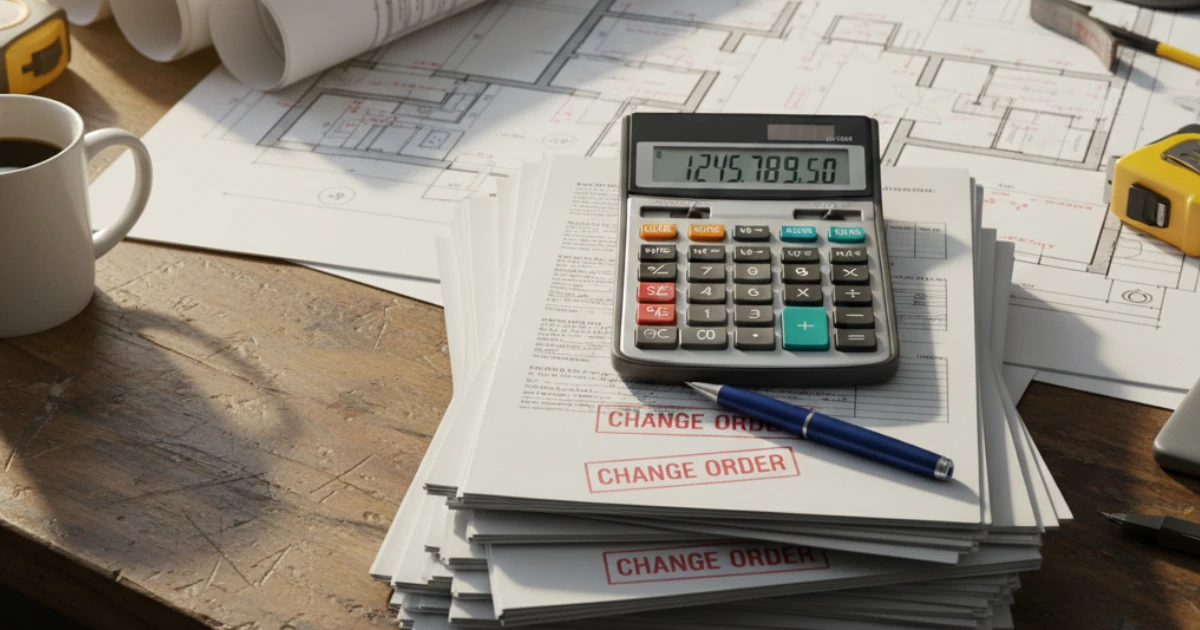
The average change order costs $2,000 to $5,000. Most homeowners get 5 to 10 of them during a build. That's $10,000 to $50,000 in costs you didn't plan for.
And almost all of them are preventable.
I've been building custom homes for over 15 years, and I can tell you this: change orders are rarely about bad luck. They're about missed preparation. The families who avoid them aren't luckier - they just showed up to the job site knowing what to look for.
Your builder doesn't mind change orders. He bills for every single one.
What Is a Change Order?
A change order is exactly what it sounds like: something needs to change after construction has already started. A wall needs to move. An outlet was missed. You want a different tile. The plumber ran a pipe in the wrong spot.
Every change means paperwork, plus labor, plus materials, plus delay. It's not just the cost of the fix itself - it's the cascade of schedule disruptions that follow.
When you change something during construction, you're not just paying for the new work. You're paying to undo the old work, dispose of materials, potentially re-engineer adjacent systems (electrical, plumbing, HVAC), and absorb the delay to every trade that was scheduled after that point. A $500 change on paper becomes a $3,000 change in the field.
The Most Common Change Orders (And What They Cost)
These aren't luxury upgrades or design whims. These are things that should have been right the first time:
| Change Order | Typical Cost | When It Happens |
|---|---|---|
| Missing electrical outlets | $200-$400 each | After drywall |
| Moving a wall | $2,000-$8,000+ | After framing |
| Changing countertop material | $1,500-$5,000 | After cabinets installed |
| Adding a gas line | $800-$3,000 | After rough-in |
| Fixing drain slope | $2,000-$5,000 | After slab or subfloor |
| Moving a window | $1,500-$4,000 | After framing |
| Adding blocking for TV mount | $300-$800 | After drywall |
| Changing door swing direction | $400-$1,200 | After framing |
Notice the pattern? The word "after" appears in every single row. Change orders don't happen because things go wrong. They happen because things were decided too late.
Why Change Orders Really Happen
Here's the part most people don't want to hear: it's almost never the builder's fault. The real causes are predictable and preventable:
1. Plans weren't detailed enough
"We'll figure it out later" is the most expensive sentence in construction. Every detail left vague on paper becomes a decision made in the field - where changes cost 5-10x more.
2. No proper framing walk
The framing walk is the ONE moment where every wall is open and everything is visible. Skip it or rush through it, and you've lost your best chance to catch problems for free.
3. Selections weren't made before construction
If you haven't chosen your tile, countertops, fixtures, and appliances before breaking ground, you're building a house around decisions you haven't made yet. When those decisions finally come, something won't fit.
4. Nobody checked rough-in before drywall
Plumbing rough-in and electrical rough-in happen before drywall goes up. Once the drywall covers everything, mistakes get buried - literally. And fixing them means cutting open brand-new walls.
I've seen homeowners spend months choosing the perfect paint color but zero minutes reviewing their electrical plan. Paint costs $200 to redo. A missing outlet after drywall costs $400. A missing gas line for the range costs $2,500. The things you skip reviewing are always the expensive ones to fix.
The Framing Walk: Your Biggest Opportunity
If there's one thing you take from this article, let it be this: the framing walk is the single most valuable afternoon of your entire build.
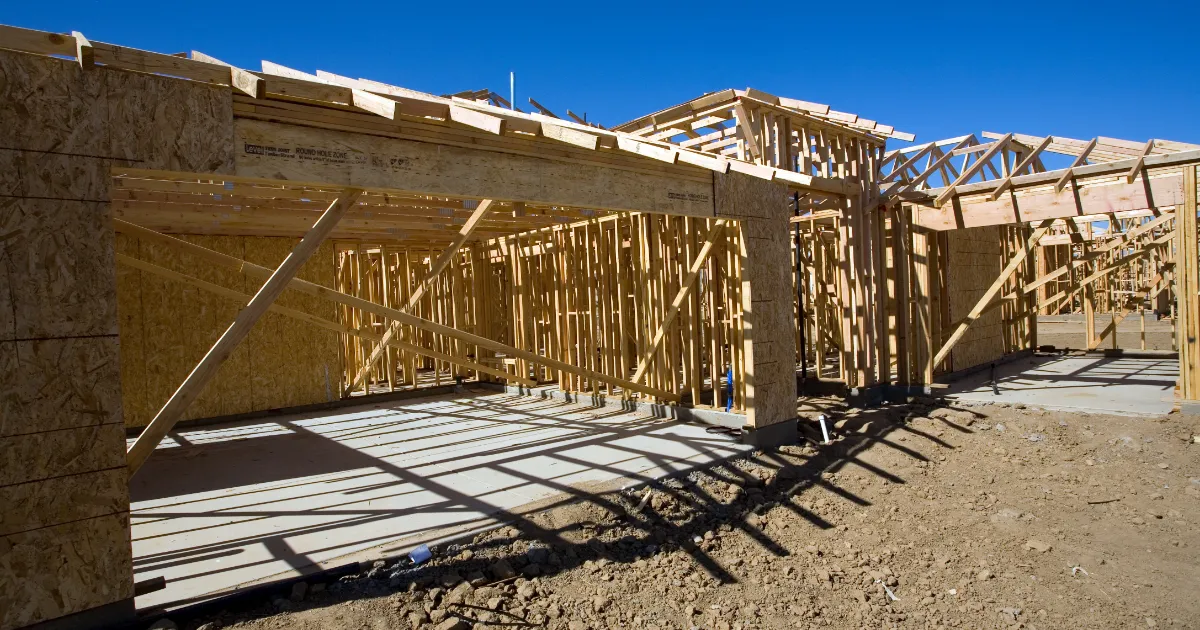
This is the moment when your walls are up but still open - no insulation, no drywall, no finishes. Everything is visible. Every pipe, every wire, every stud. And everything can still be changed cheaply.
Here's what you need to check during your framing walk:
- Every outlet location - is it where you actually need it? Think about where furniture will sit, where you'll charge your phone, where the Christmas tree goes.
- Every pipe - is the slope correct? Is the drain going where it should? Is there a supply line for that ice maker you want?
- Every switch - is it on the correct side of the door? Will the door cover it when open?
- Blocking - is there wood backing for your TV mount, grab bars, heavy shelving, and towel bars?
- Window placement - stand where you'll actually stand in each room. Can you see what you want to see?
- Ceiling heights - are soffits, tray ceilings, and drops where you expected them?
Bring your floor plan, a tape measure, a flashlight, and blue painter's tape to your framing walk. Mark anything you want to discuss with the builder. Take photos of everything - especially plumbing and electrical rough-in. These photos become invaluable later when you need to know where pipes run behind finished walls.
Miss this window and every fix costs 5-10x more. For a complete walkthrough of what to check at every stage, read my phase-by-phase inspection guide. And for the decisions that become permanent after framing, see 12 decisions you can't undo after framing.
How to Prevent Most Change Orders
The families who build without surprise costs don't have better builders or better luck. They prepare differently. Here's the exact process:
Before Breaking Ground
Make ALL selections - tile, countertops, fixtures, appliances, lighting, hardware. Not "we're thinking about" - actually ordered or confirmed. Your builder needs exact models to plan rough-in locations.
Before Framing
Review your floor plan with furniture drawn to scale. Check every door swing. Confirm outlet and switch locations on the electrical plan. Verify gas line locations for range, fireplace, grill, dryer.
During Framing
Walk the framing with a checklist - not just your feelings. Verify every outlet, pipe, switch, and blocking location. This is your last chance to make changes cheaply.
Before Drywall
Final check on all rough-in: plumbing, electrical, HVAC. Photograph everything. Once drywall goes up, you're paying 5-10x for any change behind those walls.
Get Everything In Writing
Every decision, every confirmation, every change - documented. Email your builder. Keep a shared folder. The projects that go sideways are always the ones where "I thought we agreed on..." has no paper trail.
The Real Math
Unprepared Homeowner
5-10 change orders
$2,000-$5,000 per change
2-6 weeks of delays
Total: $10,000-$50,000 in surprise costs
Prepared Homeowner
0-2 change orders
A few hours of preparation time
Zero schedule delays
Total: $0-$4,000 (and usually $0)
The difference isn't talent. It's not experience. It's not having a better builder. It's preparation.
90% of change orders come from three preventable causes. Only 10% are things nobody could have predicted - like hitting rock during excavation or a material recall.
Stop Change Orders Before They Start
The Home Building Checklist Bundle includes 12+ detailed checklists for every phase of construction - including framing walk, rough-in inspection, and selection tracking. 15 years of field experience in one download.
Get the Complete BundleWhat to Do When You DO Get a Change Order
Even with perfect preparation, some changes are unavoidable. When one comes across your desk:
- Don't sign immediately. You have the right to understand exactly what's changing and why. Ask for an itemized breakdown - labor, materials, and timeline impact.
- Ask if it's truly necessary. Some change orders are presented as mandatory when they're actually optional. "We recommend upgrading to..." is not the same as "code requires..."
- Get it in writing. The change order should include the exact scope, exact cost, and exact timeline impact. No verbal agreements. No "roughly" or "around."
- Check your contract. Many contracts have provisions about change orders - markup percentages, approval processes, and dispute resolution. Know what you agreed to before the conversation starts.
- Consider the alternative. Sometimes the cost of NOT making the change is higher than making it. A $2,000 fix during construction could prevent a $15,000 fix after move-in.
A good builder will walk you through every change order transparently. If your builder is resistant to providing itemized costs or pressures you to sign quickly, that's a red flag. You should always understand exactly what you're paying for.
Final Thoughts
Change orders aren't an inevitable part of building a home. They're the result of decisions made too late, details left vague, and inspections skipped or rushed.
The math is simple: a few hours of preparation saves $10,000 to $50,000. Making your selections before construction starts costs nothing. Walking the framing with a checklist takes one afternoon. Checking rough-in before drywall takes two hours.
The cheapest change in construction is the one you make on paper, before a single board is cut.
For more on catching problems early, read my guide on 10 floor plan mistakes that cost thousands. And to understand what upgrades are actually worth paying for, check out builder grade vs. custom: what's worth upgrading.