Spring Is the Best Time to Start Building Your Home — Here's How to Prepare
If you've been thinking about building a custom home, you're reading this at the right time.
March through May is the single best window to break ground in most of the United States. Not because the weather is perfect - it's not. But because of what happens after you start: the foundation cures in warming temps, framing goes up during the longest days of the year, and you're closing on your home before the holidays instead of spending Christmas in a rental wondering why the drywall crew hasn't shown up.
I've been building custom homes for over 15 years, and I can tell you this with certainty: the homeowners who start in spring almost always finish on time and on budget. The ones who start in August? They're fighting weather, holidays, and burned-out subcontractors by month four.
Why Spring? The Season-by-Season Breakdown
Let's look at each season honestly. There's a reason experienced builders push clients to break ground in spring.
Here's what builders won't tell you: winter and late-fall starts often get deprioritized. When a builder is juggling five projects and it's 28°F outside, they're sending their crew to the job that's furthest along - not the one that just poured a foundation. Spring starts get momentum on their side. The weather cooperates, the subs are fresh, and the builder hasn't hit burnout season yet.
The 6 Advantages of a Spring Start
The builds that go smoothest don't have better luck. They have better timing.
Spring Start vs. Fall Start: The Real Difference
Here's what the same 10-month build looks like depending on when you break ground:
| Phase | Spring start (April) | Fall start (September) |
|---|---|---|
| Foundation | April-May (ideal temps) | Sept-Oct (racing freeze) |
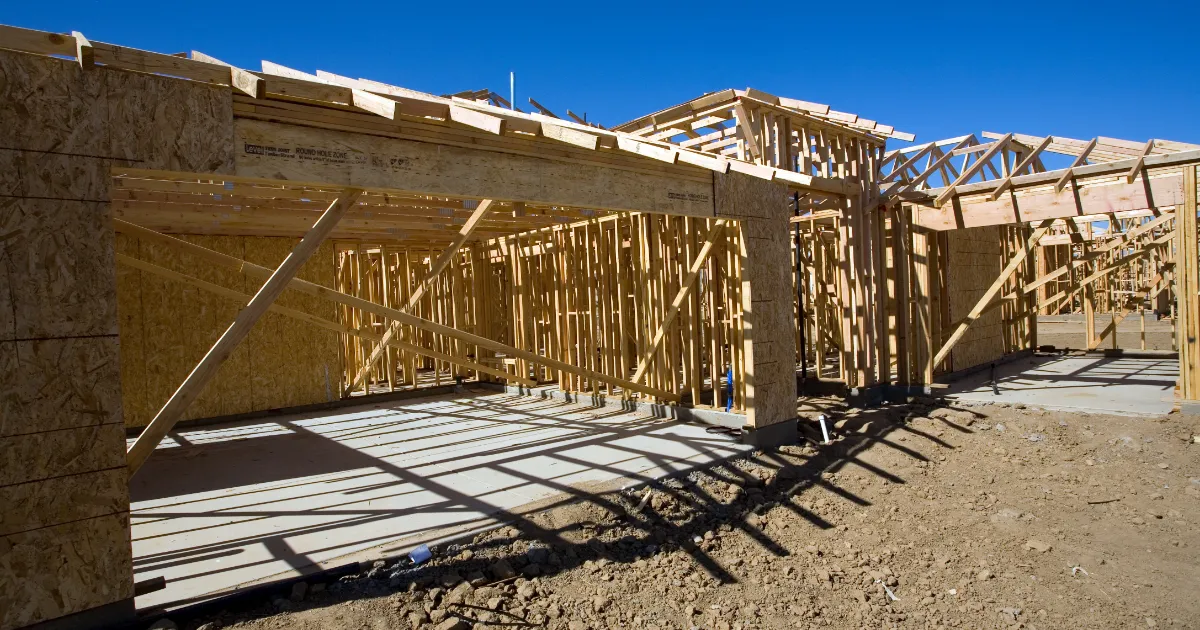
| Framing | June-July (long days, dry) | Nov-Dec (short days, rain/snow) |
| MEP rough-in | Aug-Sept (warm, no issues) | Jan-Feb (frozen pipes risk, slow) |
| Interior finishes | Sept-Dec (steady progress) | Mar-Jun (delayed by cascading setbacks) |
| Close & move in | January-February | July-August (if lucky) |
Spring start reality
Foundation cures in warming weather. Framing crew works long summer days. Roof goes on before fall rains. Interior work avoids the worst of the holiday slowdown.
Typical delays: 2-4 weeks
Fall start reality
Framing in cold rain. Shorter days slow everything. Holidays kill momentum for 2-3 weeks. Subs are wrapping other projects and don't prioritize yours.
Typical delays: 6-12 weeks
For a complete month-by-month breakdown of what happens during a build, read my complete home building timeline.
Starting Your Build This Spring?
The Home Building Checklist Bundle gives you phase-by-phase checklists for every stage of construction - from site prep through final walkthrough - plus a budget tracker and materials list template.
See the Checklist BundleYour 8-Week Spring Prep Countdown
Breaking ground in April or May? Here's exactly what you should be doing right now, week by week. This isn't theoretical - it's the actual pre-construction timeline that keeps builds on schedule.
Lock Down Your Finances
Everything starts here. You can't hire a builder, buy materials, or pull a permit without confirmed financing.
- Get pre-approved for a construction loan (not just a mortgage pre-approval)
- Determine your total budget including land, construction, and a 15-20% contingency
- Understand the draw schedule - how and when the bank releases funds to the builder
- Confirm your down payment is liquid and accessible
Finalize Your Plans
Your floor plan should be 100% done - not 90%, not "we'll figure out the bonus room later." Every square foot, every closet, every niche.
- Complete architectural drawings (foundation, framing, electrical, plumbing plans)
- Engineering sign-off on structural elements (if required in your area)
- Energy compliance documentation (many jurisdictions require this before permit)
- Resolve any HOA or architectural review board approvals
Hire Your Builder (If You Haven't Already)
This should be done by now. If you're still interviewing builders in March and want to break ground in April, you're already behind.
- Final contract review - have an attorney look at it before you sign
- Verify license, insurance, and workers' comp are current
- Agree on a communication plan (weekly emails, milestone walkthroughs)
- Confirm the payment schedule is tied to completed milestones
Not sure what to look for? Read my guide on 15 questions to ask your builder before signing the contract.
Pull Permits and Order Long-Lead Materials
Permit timelines vary wildly. Some counties take 3 days. Others take 6 weeks. Don't let this catch you off guard.
- Submit building permit application with all required documents
- Order windows and exterior doors (4-8 week lead time)
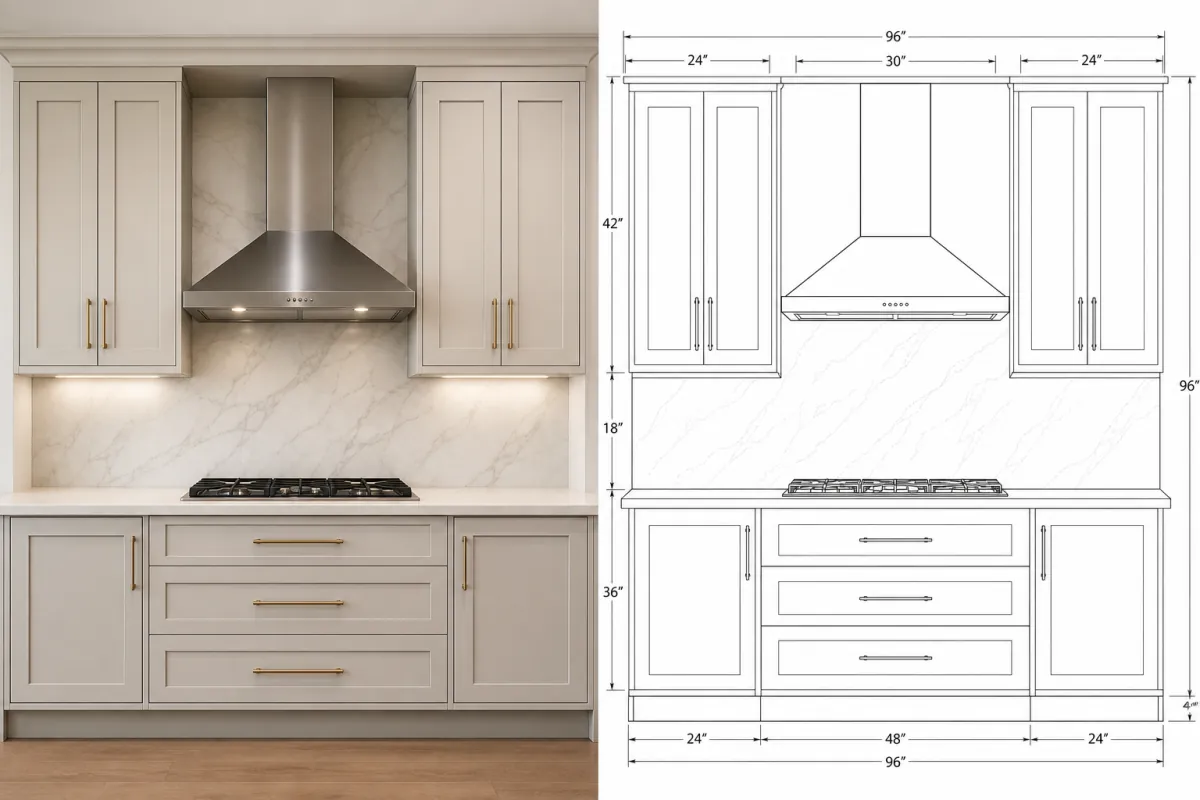
- Order custom cabinets if applicable (6-10 week lead time)
- Order any specialty materials (imported tile, custom ironwork, etc.)
Make Your Interior Selections
This is where most homeowners fall behind. Start making finish selections now, not when the builder asks for them in month 4.
- Countertop material and edge profile
- All tile selections (floor, shower, backsplash)
- Flooring for every room (hardwood, LVP, carpet, tile)
- Light fixtures and plumbing fixtures
- Paint colors (at least narrow it to 2-3 options per room)
- Appliance models confirmed (exact dimensions matter for cabinet cutouts)
Prepare the Site
Your builder handles most of this, but you should know what's happening and verify it's done right.
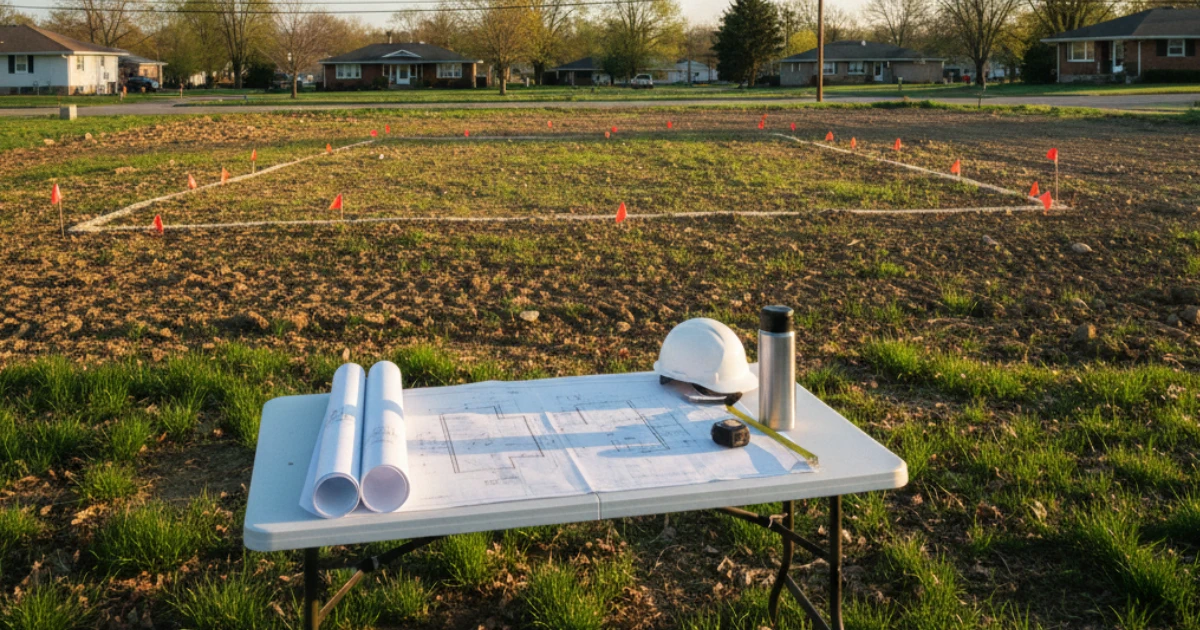
- Survey stakes in place marking the house footprint and setbacks
- Soil test completed (if not done during lot purchase)
- Tree removal and clearing plan executed
- Temporary power and water arranged
- Erosion control / silt fence installed (required in most areas)
Final Check Before Breaking Ground
Permit in hand. Builder ready. Materials ordered. This is your final pre-flight checklist.
- Confirm building permit is approved and posted on site
- Verify builder's insurance certificates are current (call the insurer)
- Walk the staked lot one more time - does the house position feel right?
- Confirm the excavation and foundation sub is scheduled
- Set up your project folder - photos, receipts, selections, communication log
Create a "Selections" spreadsheet with every finish decision you need to make, the deadline for each, and the lead time. Share it with your builder. This one document prevents more delays than anything else you can do. The budget tracker in the Home Building Checklist Bundle is built exactly for this purpose.
The Spring Soil Question
"But isn't the ground too wet in spring?"
This is the most common objection to a spring start - and it's only partially valid. Yes, spring soil can be wet. But here's what experienced builders know:
When wet soil IS a problem
Standing water in the excavation before the pour.
Soil so saturated that heavy equipment sinks and ruts the lot.
Clay soil that hasn't drained after snowmelt - excavation walls collapse.
When it's NOT a problem
Damp but firm soil that supports equipment weight.
Rain that drains within 24-48 hours.
Sandy or loamy soil types that drain naturally.
A good builder checks soil conditions before scheduling the dig. If it's too wet, they wait a few days. That's a minor delay - not a reason to push your entire build to summer.
The foundation sub knows your soil better than you do. They'll look at it and make the call. In 15 years, I've postponed maybe a dozen foundation pours due to wet spring conditions - always by less than a week. Compare that to the 6-12 week delays that fall-start builds routinely experience, and the choice is obvious.
What a Spring Start Saves You
Starting in spring isn't just about convenience. There's a real financial advantage:
| Factor | Spring start | Off-season start |
|---|---|---|
| Weather delay costs (rent, loan interest) | $0 - $4,000 | $6,000 - $18,000 |
| Winter concrete premiums (heated blankets, additives) | $0 | $1,500 - $4,000 |
| Holiday schedule gaps (lost productivity) | Minimal impact | 2-3 weeks lost |
| Sub scheduling premiums (peak demand markup) | Standard rates | 5-10% higher in some trades |
| Estimated savings | $5,000 - $20,000 depending on region and build size | |
For a complete breakdown of where your money goes during construction, see my guide on how much it costs to build a house per square foot in 2026.
Don't Start Your Build Without This
The Home Building Checklist Bundle includes 12+ phase-by-phase checklists, a 17-page Hiring Contractor Checklist, a budget tracker, and a materials list - everything you need to start your spring build with confidence.
Get the Checklist Bundle5 Mistakes Homeowners Make When Rushing a Spring Start
Spring is the best time to build. But "best time" doesn't mean "rush into it." Here are the most common mistakes I see from homeowners who try to break ground before they're ready:
1. Signing a contract without reading it
The urgency to "get in line" for spring makes people sign too fast. A bad contract costs far more than a two-week delay. Take the time to read every clause. Better yet, have an attorney review it. Read my full breakdown of what to ask your builder before signing.
2. Starting without finalized plans
"We'll figure out the upstairs layout during framing." No. Changes during construction are 10x more expensive than changes on paper. Your plans should be 100% complete before the permit application goes in.
3. Not ordering long-lead materials early enough
Custom cabinets take 6-10 weeks. Specialty windows take 4-8 weeks. If you don't order them before construction starts, your build will stall in month 4 waiting for materials that should have been there.
This happens every single spring. Homeowner breaks ground in April, excited and ready. The builder asks for cabinet selections in month 2. Homeowner hasn't even visited a showroom yet. They spend 3 weeks choosing cabinets, then the 8-week manufacturing lead time starts. By month 5, the drywall is done but the cabinets aren't there. The countertop can't be templated. The tile can't go in. The whole build sits idle for 4-6 weeks. I've seen it cost homeowners $12,000+ in carrying costs. Don't be that person.
4. Skipping the soil test
Especially dangerous in spring when soil conditions change rapidly. A $1,500 soil test can prevent a $25,000 foundation surprise. If your lot has clay soil, a high water table, or has been filled, you need to know before the excavator shows up.
5. No contingency budget
Every build has surprises. Spring starts are no exception. Budget 15-20% above your contract price for changes, upgrades, and unexpected costs. If you don't use it, great. If you need it, you'll be thankful it's there. For the full list of hidden expenses, read my article on the hidden costs of building a custom home.
Are You Actually Ready to Start This Spring?
Be honest with yourself. If you can check all of these, you're ready. If not, it might be worth targeting a May start instead of rushing an April one.
If you're reading this in March and you don't have a builder yet, a realistic target is breaking ground in late May or early June - not April. That still puts you well within the spring window and gives you time to do things right. A well-prepared May start beats a rushed March start every single time.
Prepare Like a Pro This Spring
The Home Building Checklist Bundle includes everything from a Hiring Contractor Checklist (17 pages, 100+ vetting items) to phase-by-phase inspection guides and a budget tracker. Start your build organized from day one.
Get the Complete BundleFinal Thoughts
Spring isn't just the prettiest time to build. It's the smartest. You get better weather for the most weather-sensitive phases, better subcontractor availability, and a timeline that avoids the holiday deadzone.
But timing only works if you're prepared. The homeowners who have the best spring builds are the ones who spent January and February doing their homework - finalizing plans, vetting builders, making selections, and getting their finances in order.
The best time to plant a tree was 20 years ago. The second best time is now. The same is true for starting your home build. If you're ready - actually ready, not just excited - this spring is your window. Take it.
For a step-by-step guide to what happens after you break ground, check out my complete home building timeline. And if this is your first build, start with what nobody tells first-time builders about the first 30 days.