5 Things Contractors Would Never Install in Their Own Homes

The designer had just stepped out of the room. The contractor turned to me and lowered his voice.
"Between you and me? I'd never put that in my own house."
Over 15+ years working in home building, I've collected these moments. The candid ones. The honest ones. When an experienced builder - someone who has installed hundreds of these features - quietly tells you what he actually thinks.
These aren't bad products made by bad companies. They're features that photograph beautifully, sell well in showrooms, and then quietly become a source of regret. You live with the reality. The contractor moves to the next job.
Here are the five things experienced contractors say they'd never install in a home they actually have to live in.
None of these features are "wrong." Some people install them and love them. But if you're building on a budget, prioritizing low-maintenance, or want maximum resale value - these are the honest conversations your contractor probably isn't having with you.
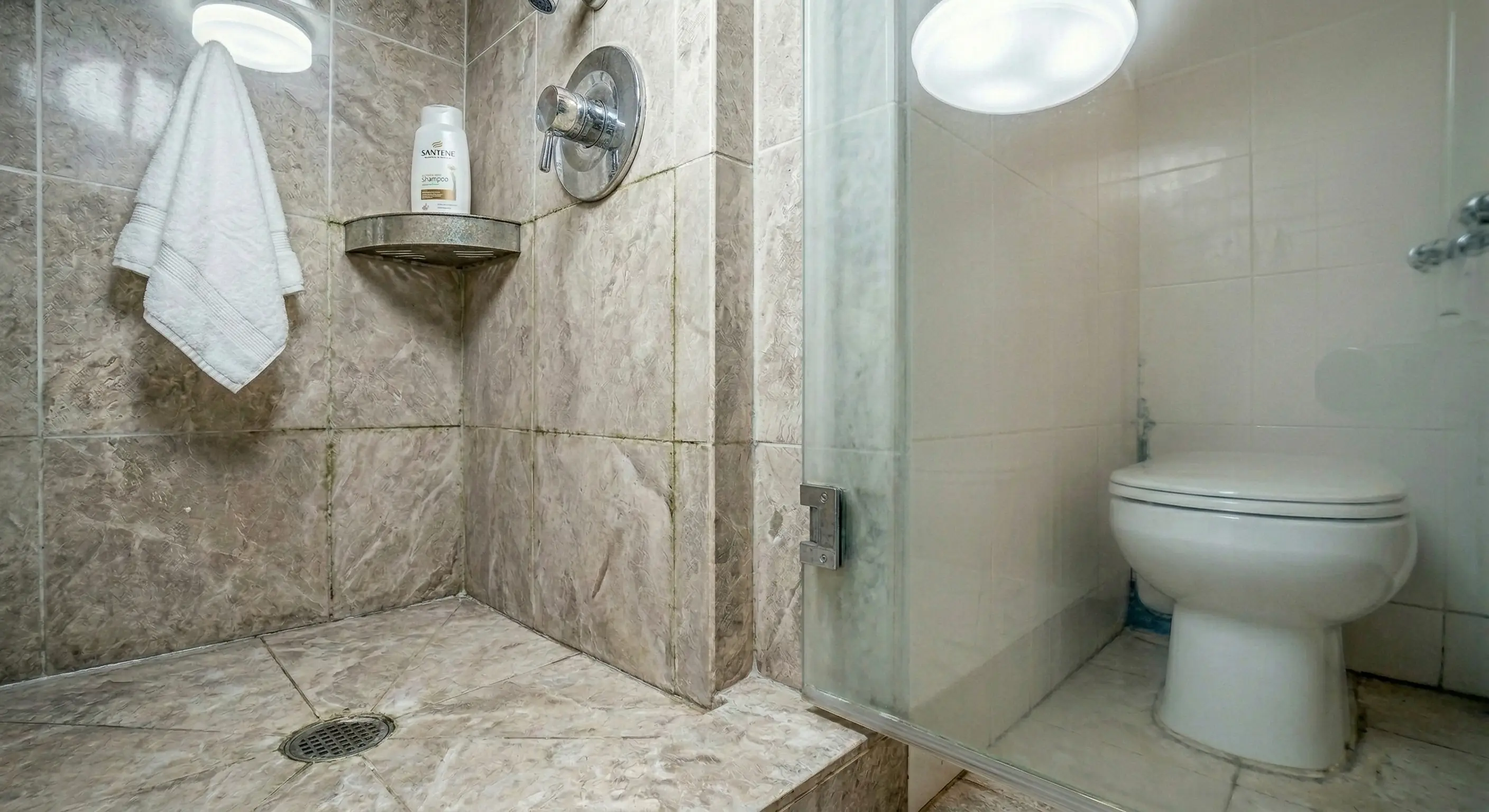
Steam showers are the pinnacle of luxury bathroom design. In the showroom, they feel like a spa. On paper, they look incredible. But the contractors who install them have watched enough of them deteriorate to know the truth.
- Requires cleaning after every single use to prevent mold growth
- Seals typically fail within 2-3 years in most residential installations
- Needs specialized maintenance that most homeowners don't know about (and don't do)
- Most homeowners use it enthusiastically for 2-3 months, then almost never again
- Costs $8,000-$15,000 to install but adds minimal resale value compared to a premium standard shower
The problem isn't the steam. It's the moisture. Steam creates a constantly warm, wet environment that is perfect for mold. If the seals aren't maintained, if the tile grout isn't resealed regularly, if you skip the wipe-down after each use - the steam shower that cost you $12,000 becomes a mold remediation project.
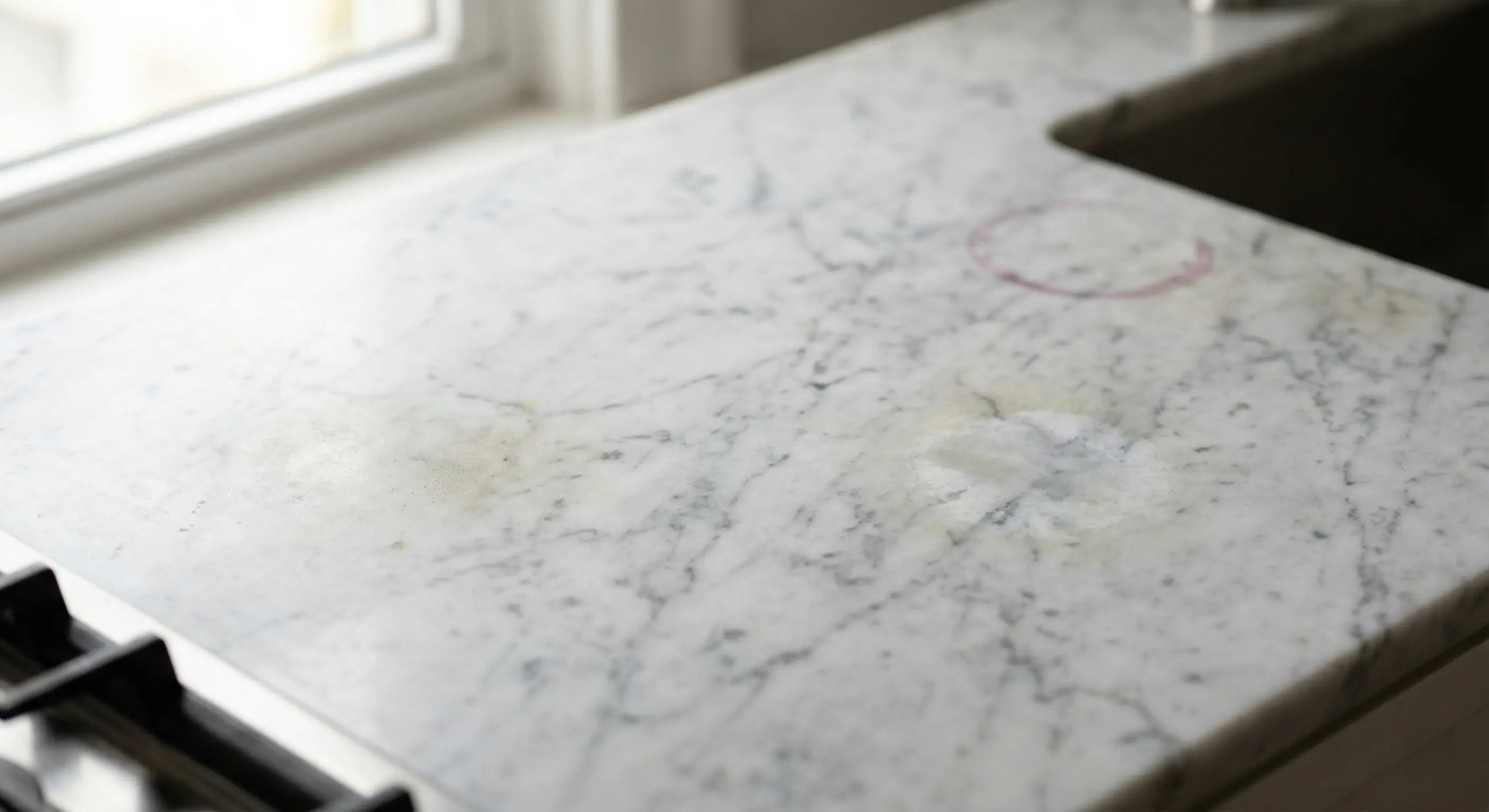
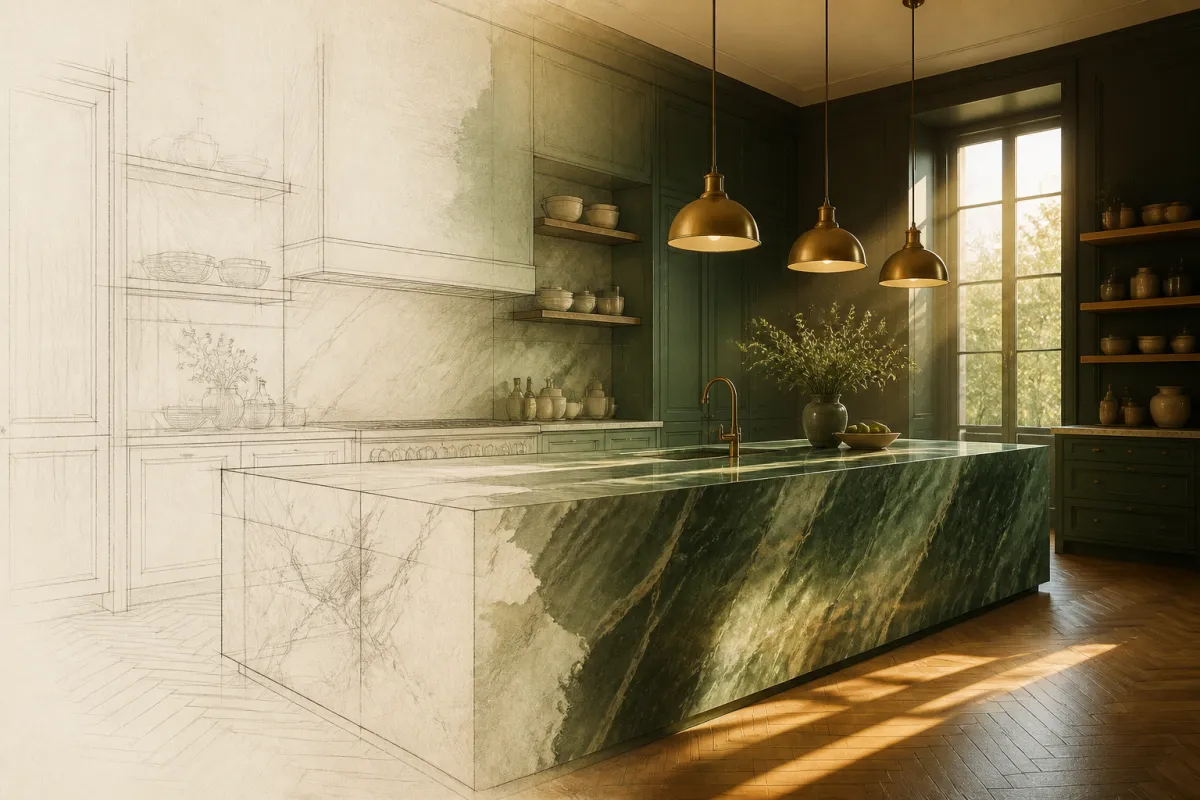
Marble countertops are the single most Googled kitchen feature. They appear in every home design magazine. They're the first thing buyers comment on during showings. And every contractor who has installed them has also gotten the panicked phone call six months later.
- Etches immediately from lemon juice, vinegar, and wine - all standard cooking ingredients
- Stains from olive oil, tomato sauce, and berries within minutes if unsealed
- Requires professional sealing every 3-6 months (most homeowners do it once, then forget)
- Shows visible wear patterns around the sink and primary prep area within 1-2 years
- A well-used marble counter can look worse after two years than quality laminate
Marble is a soft, porous stone. It was designed for sculptures and floors, not for the acidic, oily, high-traffic environment of a working kitchen. The countertops you see in magazines? They're photographed the week after installation, on sets that are never actually cooked in.
Your kitchen will be cooked in. Every day. For decades.
Building a Home? Don't Rely on What Looks Good in Photos.
The Home Building Checklist covers the decisions that affect your daily life for decades - finishes, fixtures, and the questions to ask your contractor before you sign anything.
See the Complete Checklist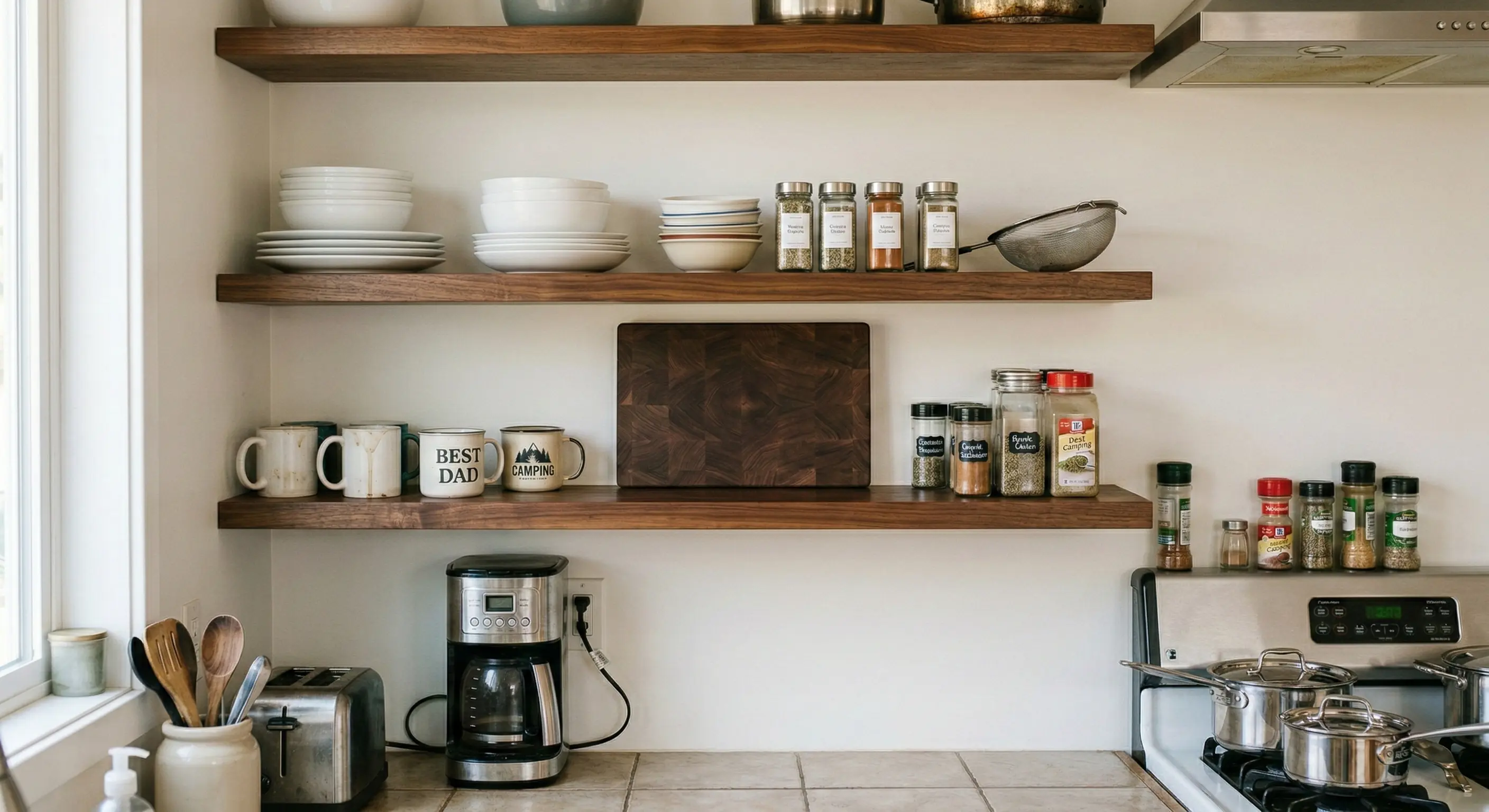
Every interior designer loves open shelving. Pinterest loves open shelving. The problem is that Pinterest kitchens don't have anyone actually cooking in them.
Here's what happens in real life. Week one: everything is perfectly arranged, it looks beautiful. Month two: the coffee cups you use daily are slightly dusty on top. Month six: the grease from cooking has settled into a fine film over everything. Year two: you call the contractor and ask how much it costs to add doors.
- Cooking produces grease vapor - it settles on everything, including your "decorative" plates
- Requires constant organization or it looks cluttered (upper cabinets hide the chaos)
- Reduces usable storage by approximately 40% compared to the same footprint with doors
- Items used daily develop visible "clean halos" surrounded by dust and grease on the shelf
- The majority of homeowners request doors within 2 years
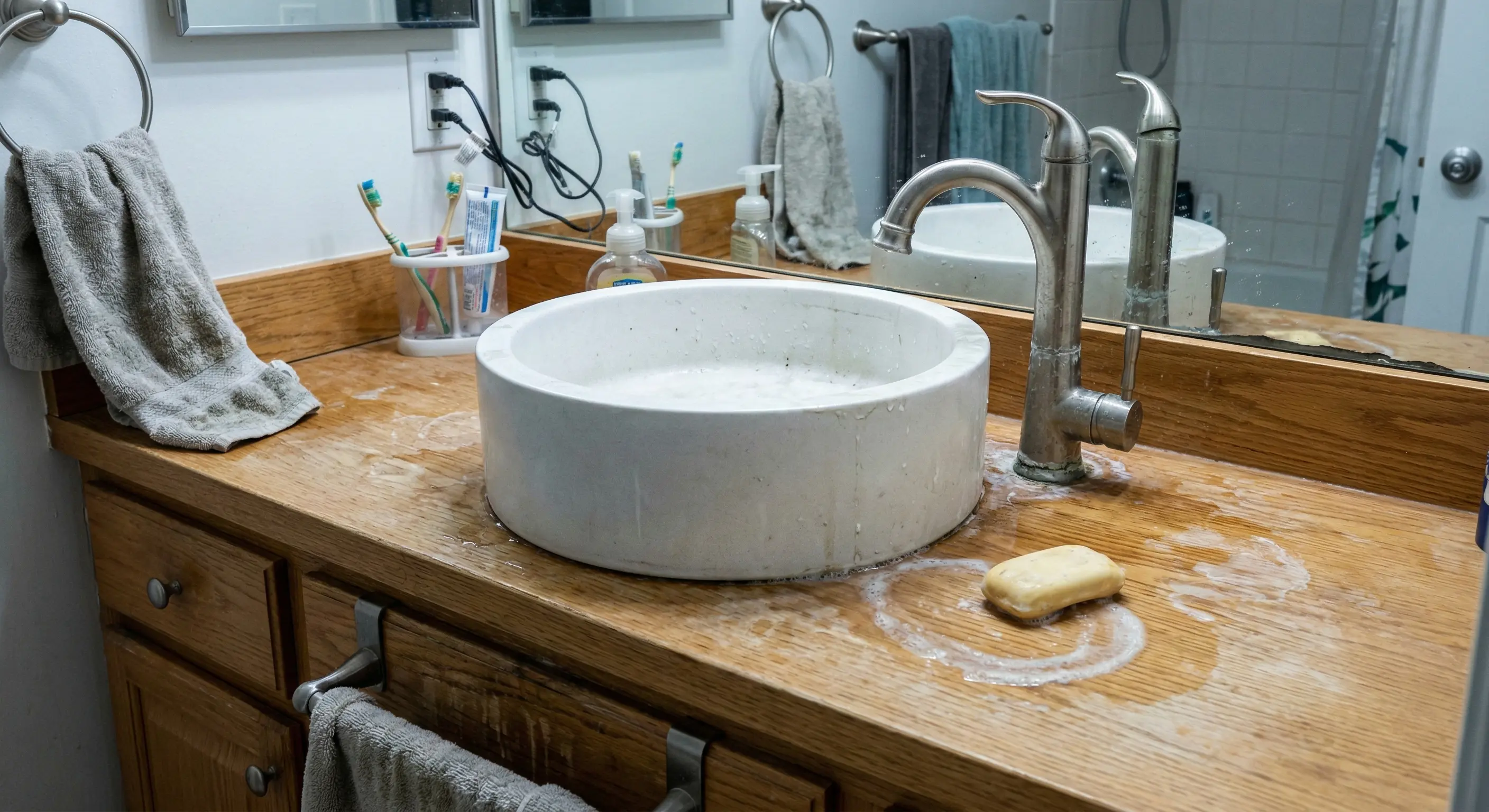
Vessel sinks - the bowls that sit on top of the vanity rather than dropping into it - are a staple of high-end bathroom design. They signal a certain boldness. They're sculptural. They make a statement.
After two years of daily use, here's the statement they're making:
- The junction between bowl and counter is nearly impossible to clean without a specialized brush
- The height is awkward for the average adult when washing your face or brushing teeth
- Water splashes dramatically onto the counter because the bowl is shallow and the faucet hits at a steep angle
- Children cannot reach them without a step stool
- The mounting points at the base are a known failure spot - stone and ceramic crack under repeated daily stress
The contractors who have installed dozens of them all say the same thing: they get callbacks to replace them. Not because they failed immediately - because the homeowner lived with the daily friction and eventually said "enough."
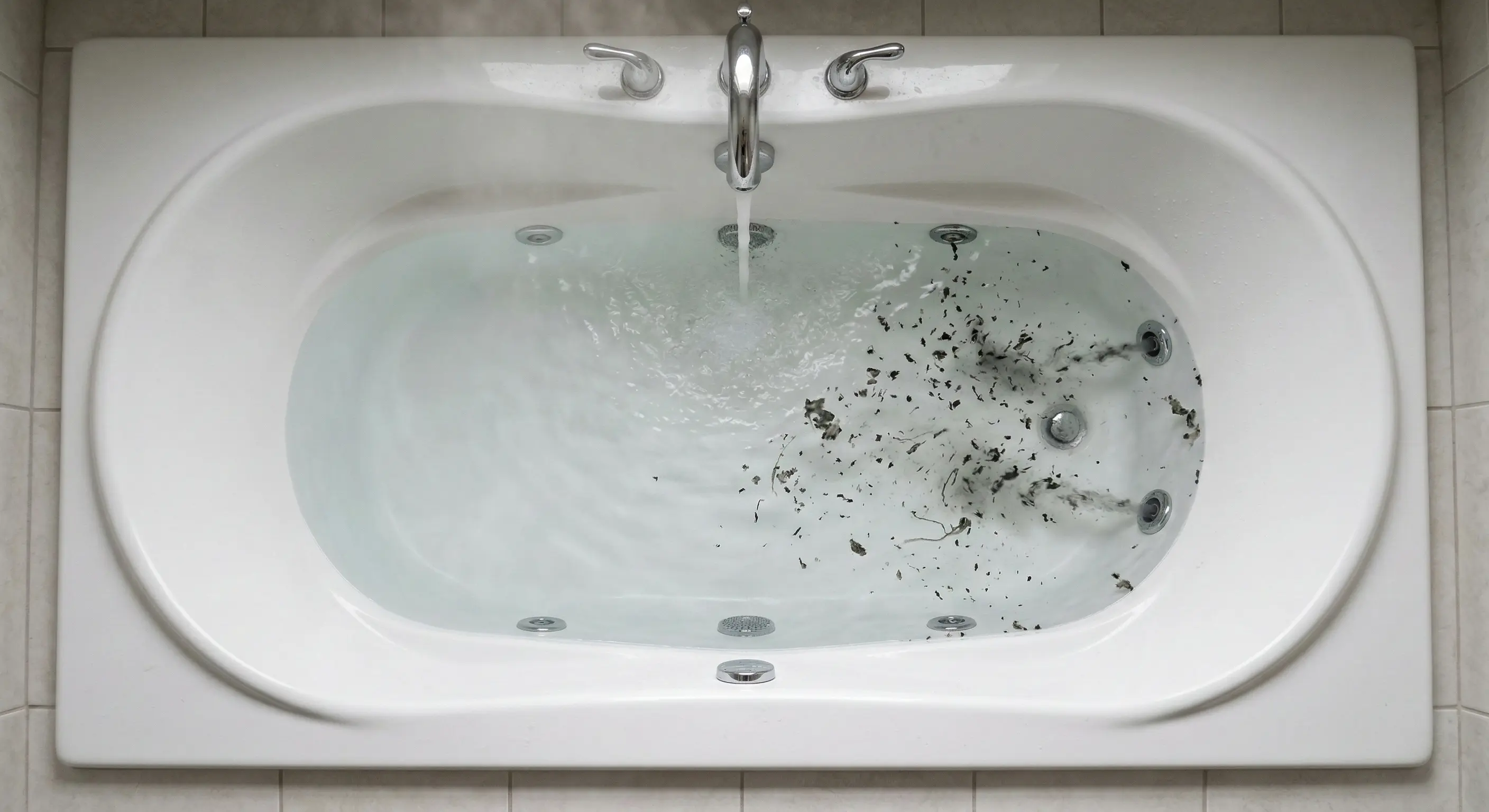
The jetted tub is the steam shower's cousin. Big, impressive, expensive, and used approximately five times before it becomes a large cleaning obligation sitting in your master bathroom.
Here's the problem nobody tells you about when you're standing in the showroom: the jet system is a closed loop of pipes hidden inside the walls and underside of the tub. When the tub drains, water stays trapped in those pipes. It sits. It grows.
- Biofilm builds up in the jet channels between uses - when you fill the tub, it flushes black flakes into your bathwater
- Requires monthly cleaning cycles with a specialized cleaner just to maintain basic hygiene
- Motor and jet components typically need servicing or replacement within 8-12 years
- Adds significant weight to the floor structure (sometimes requiring engineered reinforcement)
- The average household uses a jetted tub fewer than 10 times per year after the first year
I've talked to homeowners who were genuinely shocked - shocked - when they found out what was coming out of their jets. They'd been bathing in water flushed through years of accumulated biofilm. The tub that was supposed to be relaxing became a source of anxiety.
Why Don't Contractors Tell You This Upfront?
It's a fair question. If these features are so problematic, why aren't more contractors steering clients away from them?
Three reasons.
First: it's not their house. They install what you ask for, collect payment, and move to the next project. The callbacks come later, and not always back to the same contractor.
Second: you hired a designer, too. Designers get paid to make selections. If your contractor contradicts the designer's choices in front of you, it creates awkward professional tension. It's easier to stay quiet.
Third: some clients don't want to hear it. They've seen the vessel sink in a hotel in Miami and they want it in their house. Telling them it's impractical feels like an insult. Contractors learn quickly which clients want honest input and which want validation.
Every one of these features shares the same profile: stunning on day one, manageable for the first few months, and then quietly becomes the thing you wish you'd done differently. The cost isn't just money - it's the daily friction of living with something that doesn't actually work for real life.
What to Do Before You Finalize Your Selections
Before you lock in any major fixture or finish, ask your contractor one question:
"If this were your house, would you install this?"
Pay attention to the pause before the answer. Pay attention to whether they change the subject. A good contractor who has your long-term interest in mind will tell you the truth. Some will be relieved you asked.
Also ask: "What does the maintenance look like in year three?" Not year one, when everything is new and the novelty is carrying you. Year three, when you've got kids, a busy schedule, and the steam shower is being used once a month.
The features that last - the ones that make a home genuinely better to live in - are almost always the boring ones. The ones that don't require a special cleaning product, a service contract, or a YouTube tutorial to maintain. Quality materials. Functional layouts. Fixtures that work perfectly every single day without demanding anything from you.
That's what makes a house a home. Not the features that look good in the listing photos.
Know What Questions to Ask Before You Build
The Home Building Checklist was built by someone who has been on both sides of these conversations. It covers the decisions that matter - the ones that affect your daily life for decades - organized phase by phase so you never miss a critical moment.
Get the Home Building ChecklistFinal Thought
The contractor who whispers the truth when the designer leaves the room? That's the most valuable person on your job site. Find them. Listen to them. Ask them what they would actually put in their own home.
Building right the first time costs exactly the same as building with regrets. The difference is just knowing which questions to ask - and asking them before the concrete is poured.
For more on the decisions that separate smooth builds from expensive disasters, read my guide on the hidden costs of building a custom home.